
Brief Encyclopedia Signs and symbols of Kazakh culture
Lullabies / besik zhyry

The main strategy of the lullabies of all nations is to cradle, soothe, lull and put the child to sleep. Therefore, there are no harsh sounds: the soundtrack is built on monotonous, monotonous melodic motifs. The movements of the cradle itself are synchronised with the song. Kazakh lullabies are usually sung in a low voice, which brings them close to magical incantations, incantations and even laments (zhoqtau), while the rhythmic repetition of some «code words» – äldi – äldi (like Altai bai-bai) reinforces the meditative function of the song. The text of Turkic lullabies also contains incantations – good wishes, wishes for a happy and rich life for an infant. Some lullabies have the form of an appeal question («meniñ balam qaida eken?» – «asqar-asqar tauda eken»), which makes them similar to the oldest riddle songs. The oldest types of cradle songs contain references to celestial figures (such as the goddess Umay) and comparative motifs between the baby and sacred animals, birds, and natural objects. Like rites, lullabies fulfilled a protective function in the life of the child, who was perceived as a being in a transitional stage – the middle world.
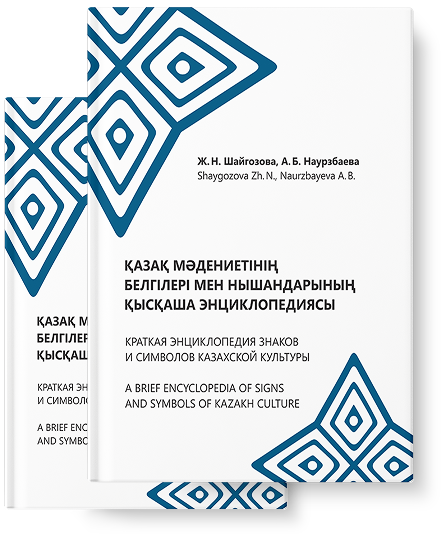
ШайгОзова Ж.Н., Наурзбаева А. Б.
Краткая энциклопедия знаков и символов казахской культуры.
Алматы: КазНИИК, 2023.