
Brief Encyclopedia Signs and symbols of Kazakh culture
Назад к разделу
Signs and symbols of Kazakh art
The yurt as a semiotic space
The language of Kazakh ornamentation
- "Döngelek" (solar circle)
- "Kün közi" (eye of the sun)
- "Törtqulaq" (cross)
- "Shimai" (spiral)
- "Aishyk gül" (crescent)
- "Zhuldyz" (star)
- "Kempirqosaq" (rainbow)
- "Sharshy" (square)
- "Tumarsha" (amulet, often triangular)
- "Baldaq" (support, crutch)
- "Irek" (zigzag)
- "Törtüshkül" (four sharp corners)
- "Qarmaq" (fishing hook)
- "Shynzhyra" (chain)
- "Syñar müiiz" (single horn)
- "Qarga tuiaq" (crow's foot)
- "Asha tuiaq" (cloven hoof)
- "Qaz moiyn" (goose / swan neck)
- "It quiryq" (dog's tail)
- "Botaköz" (camel calf's eye)
- "Böri qulaq" (wolf's ears)
- "Alaqurt" (speckled spider)
- "Zhylan" (snake)
- "Agash gül" (tree-flower)
- "Örken" (stem)
- "Raikhangül" (rose)
- "Arpabas" (barley head)
Traditional costume in the context of semiotics
The symbolic artistry of Kazakh jewelry
Color as a semiotic code
The symbolic content of materials (handicrafts, applied arts)
The symbolic nature of Kazakh music
Sybyzgy
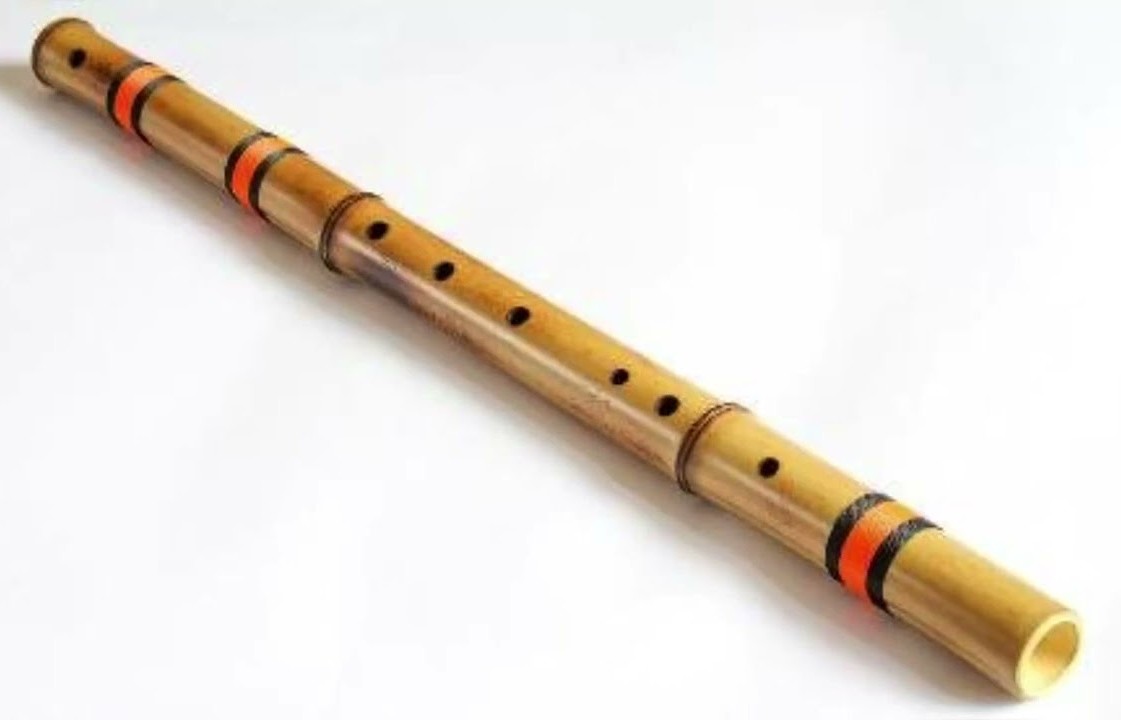
Structurally, sybyzğy is a 50–70 cm long reed tube with 3–5 play holes. Much later, sybyzğy began to be made of wood and metal, more precisely copper. But whatever material was used, it was necessarily covered with thin lamb or goat intestines (önesh) to prevent the escape of air. The simplicity of the construction is compensated by the complicated technique of performance, which uses elements of throat singing. It is performed on: 1) kui associated with the images of totem animals or sacred animals and birds, where sound and images play a major role; 2) kuy whose legends speak of a direct magical
ШайгОзова Ж.Н., Наурзбаева А. Б.
Краткая энциклопедия знаков и символов казахской культуры.
Алматы: КазНИИК, 2023.