
Brief Encyclopedia Signs and symbols of Kazakh culture
Signs and symbols of Kazakh art
The yurt as a semiotic space
The language of Kazakh ornamentation
- "Döngelek" (solar circle)
- "Kün közi" (eye of the sun)
- "Törtqulaq" (cross)
- "Shimai" (spiral)
- "Aishyk gül" (crescent)
- "Zhuldyz" (star)
- "Kempirqosaq" (rainbow)
- "Sharshy" (square)
- "Tumarsha" (amulet, often triangular)
- "Baldaq" (support, crutch)
- "Irek" (zigzag)
- "Törtüshkül" (four sharp corners)
- "Qarmaq" (fishing hook)
- "Shynzhyra" (chain)
- "Syñar müiiz" (single horn)
- "Qarga tuiaq" (crow's foot)
- "Asha tuiaq" (cloven hoof)
- "Qaz moiyn" (goose / swan neck)
- "It quiryq" (dog's tail)
- "Botaköz" (camel calf's eye)
- "Böri qulaq" (wolf's ears)
- "Alaqurt" (speckled spider)
- "Zhylan" (snake)
- "Agash gül" (tree-flower)
- "Örken" (stem)
- "Raikhangül" (rose)
- "Arpabas" (barley head)
Traditional costume in the context of semiotics
The symbolic artistry of Kazakh jewelry
Color as a semiotic code
The symbolic content of materials (handicrafts, applied arts)
The symbolic nature of Kazakh music
Pereze / turquoise
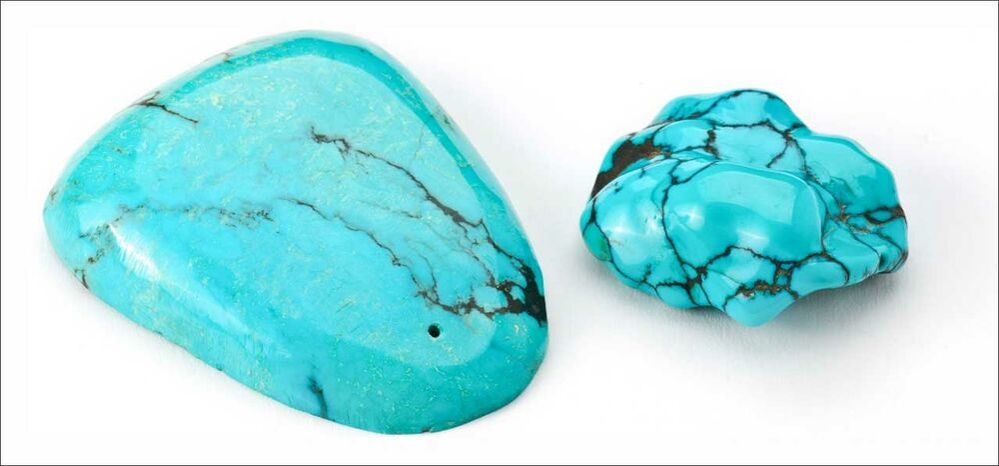
Art historians poetically refer to turquoise in silver as the quintessence of Kazakh jewelry art, which emphasizes its importance in the mythopoetic image of the world of ancient nomads. The color of turquoise – usually bluish –gives it the status of a celestial stone or a representative of heaven. The most famous Kazakh archeological findings of inlaid turquoise in gold show the treasure of the Kargaly hoard (the diadem and other gold objects), dating back to the 3rd century BC – 2nd century AD. «The word «turquoise» is derived from the Persian «firyuza» (piryzen), which means «victorious, prosperous, bringing good luck» (in a Kazakh transcription this stone was called «pereze»). This explains its wide use in traditional jewelry art. Turquoise was also actively used in medicine by many peoples of Central Asia.
ШайгОзова Ж.Н., Наурзбаева А. Б.
Краткая энциклопедия знаков и символов казахской культуры.
Алматы: КазНИИК, 2023.